The Louvre is the largest museum in the world, and one of the most visited. Located on the right bank of the river Seine, it is the perfect example of French Baroque architecture. Best known as the home to the Mona Lisa, the museum has the most impressive art collection in the world.
When in Paris, it is impossible to not visit The Louvre. However, due to its popularity, the lines to enter it are frustratingly long. To make visiting the Louvre a hassle-free experience, our Louvre Skip the line tickets will provide you fast-track access which will allow you to bypass the long lines and head straight to the exhibitions, giving you more time inside the museum than outside it.
Louvre Museum in a Nutshell

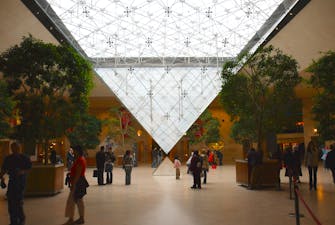
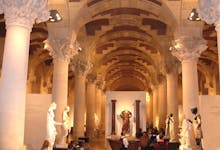
The Louvre was first built as a fortress to protect Paris from Viking attacks in the 12th century. In 1546, it became home to the French monarchs. In 1789, during the French Revolution, it was decided that The Louvre would be home to the country’s art. Since then, the museum has become world-famous as the holy shrine of art.
The Louvre is home to over 3,80,000 artworks, of which only 35,000 make up the permanent exhibition. These exhibits are spread across eight departments - Egyptian Antiquities; Greek, Etruscan, and Roman Antiquities; Near Eastern Antiquities; Islamic Art; Decorative Arts; Sculpture; Paintings; Drawings and Prints.

Must-see Exhibits
- Leonardo Da Vinci's Mona Lisa
- Venus de Milo
- Eugène Delacroix’s Liberty Leading the People
- The Victory of Samothrace
- Law Code of Hammurabi
Priority Access Tickets to the Louvre Museum ✪
Price - € 15
Quick Jumplinks to Navigate the Guide
- Long Queues and How to Skip Them
- Tickets
- Planning Your Time at the Louvre
- Famous Exhibits at the Louvre Museum
- Visitor Trails
- Practical Information
- Tips on Visiting the Museum
- Facts about the Louvre Museum
Long Queues and How to Skip Them
Because The Louvre Museum is one of the most popular museums in the world, it is natural that a large number of people visit it every year. At peak tourist season during the summer, the Louvre can see as many as 60,000 people exploring the museum. It’s because of this very popularity of the landmark that the wait at the ticket line can range from 2 to 4 hours.
However, if you plan ahead, you can avoid the crowd, making your experience to the Louvre unforgettable. Here’s how:

1. Purchase Tickets in Advance
Ticket lines stretch all around the entrance, and it can take up to three hours for you to enter the museum. This can be avoided if your purchase your Louvre tickets in advance. By doing so, you can avoid the line of ticket buyers, and head straight to security check.
2. Choose the Right Entrance to the Museum
The Louvre Museum has four entrances that are open to visitors. The entrance you choose plays a huge role in the amount of time you will have to spend waiting in lines. Picking the right entrance could help you save anywhere between 30 minutes to 2 hours.
1. I.M. Pei Pyramid Entrance
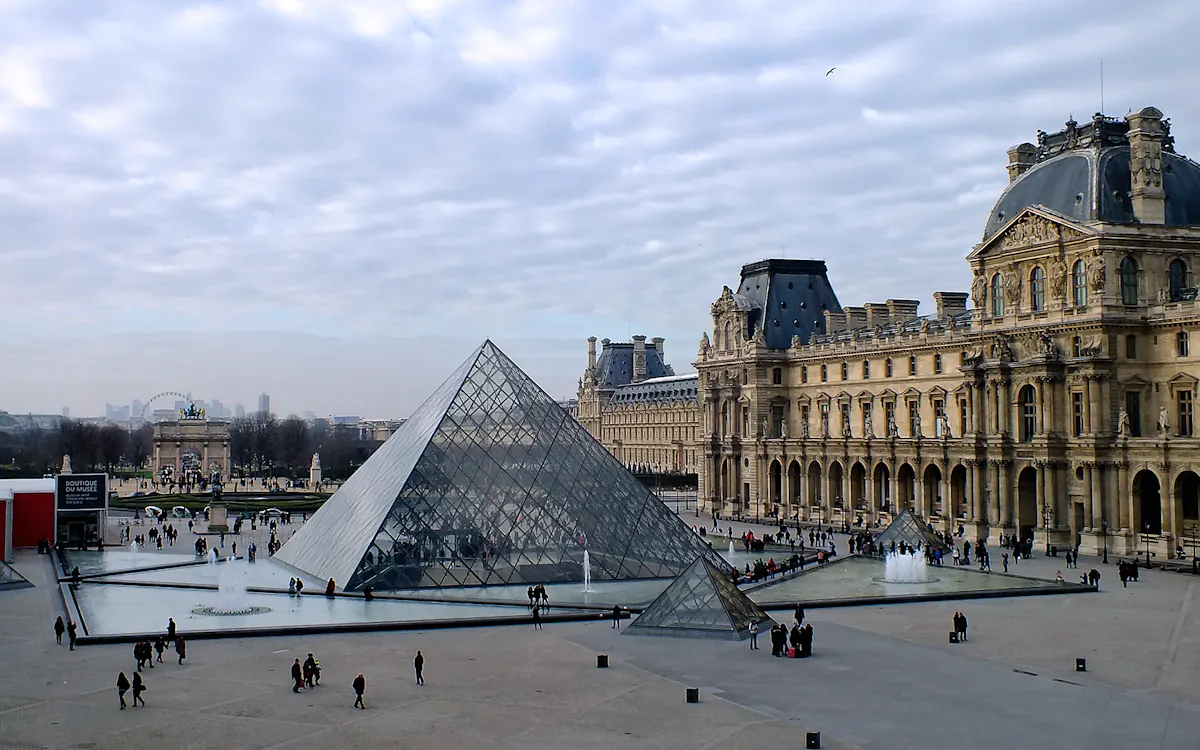
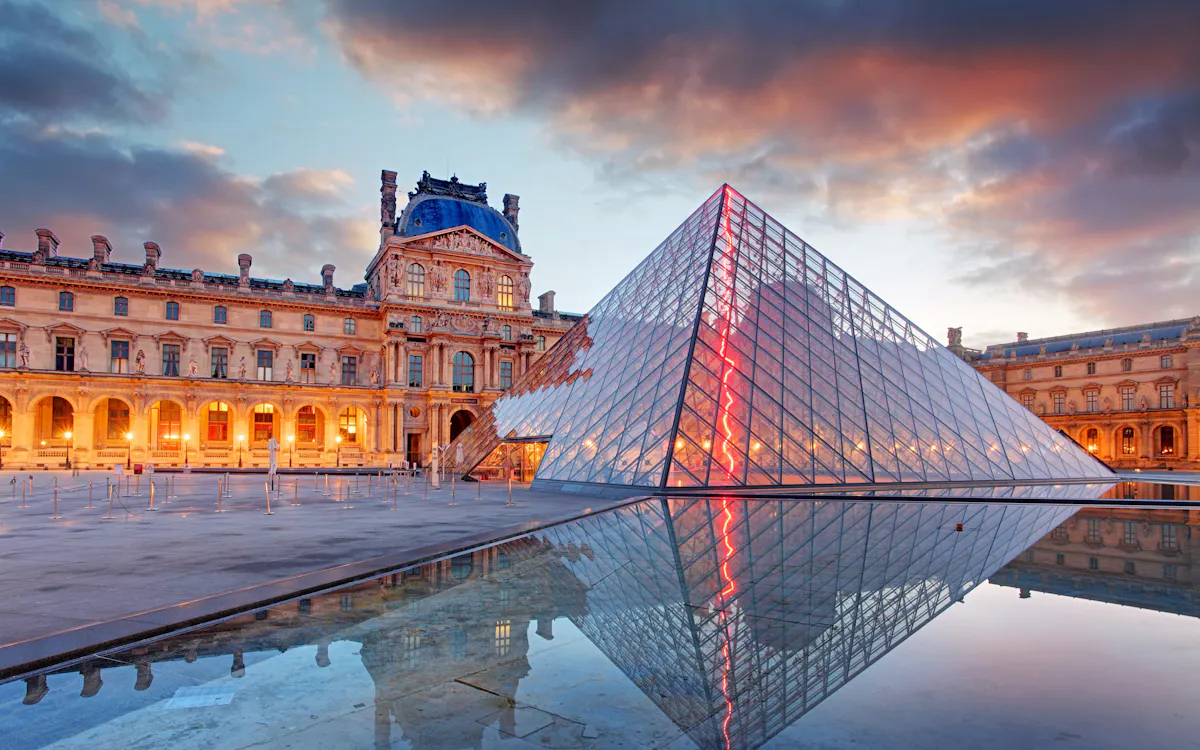
The Pyramid entrance is the main entrance to the Louvre Museum, and is the one that’s used most commonly. When you approach the Pyramid entrance, you will notice that there are 2 lines that are entering the Pyramid, one considerably longer than the other.
If you don’t purchase your tickets in advance, you will have to stand in the ticket line for a couple hours, get past the security, and then inside the Pyramid where you will have to purchase the tickets. However, if you purchase your tickets in advance, you will take the smaller “avec billet” line, get past the security, and then head to the museum’s galleries.
2. The Carrousel du Louvre Entrance
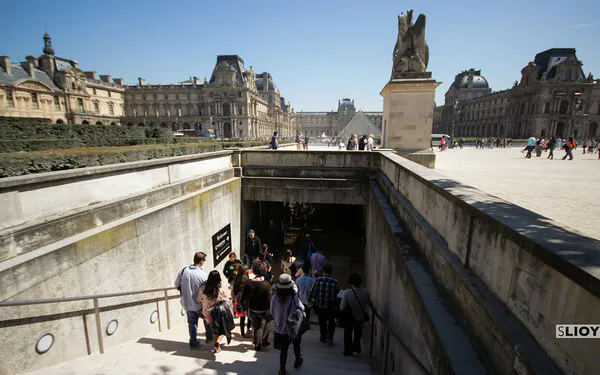
The Carrousel du Louvre is an underground shopping complex situated next to The Louvre that also serves as an entrance to the museum. If the lines to the museum at The Pyramid are long, you can take this entrance to access the museum.
Once inside the Carrousel, you have to move past the shops until you reach the inverted pyramid. Here, you will find the entrance to the Louvre Museum.
This entrance is open 9 AM - 7:30 PM on Mondays, Thursdays, Saturdays, Sundays. On Wednesdays and Fridays, it is open from 9 AM - 10 PM.
3. The Richelieu Passage
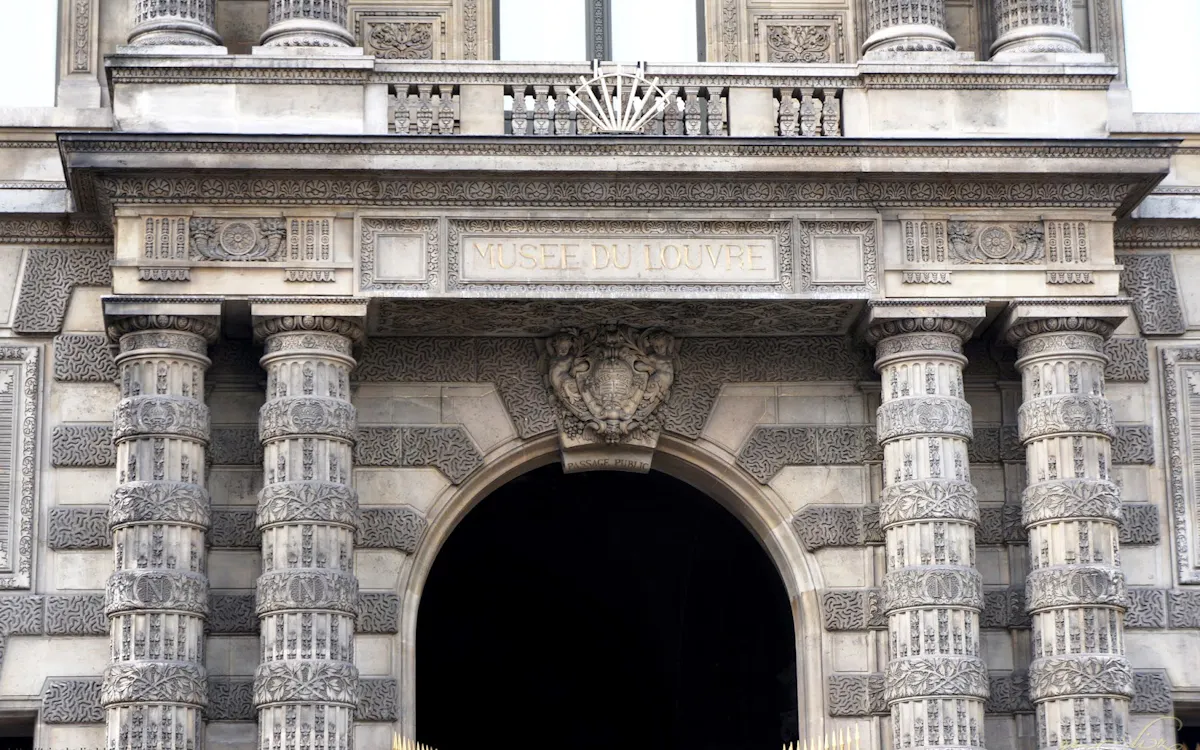
The Richelieu Passage is a discreet entrance to the Louvre Museum situated just off Rue de Rivoli, across the Palais Royal-Musée du Louvre metro station. Lines here are much smaller than the Pyramid entrance. While the Louvre website mentions that this entrance is only reserved for visitors with guided tour tickets, we have had several of users coming back saying that they were able to enter via this entrance with Headout's priority access tickets.
The entrance will lead straight to the main lobby under the glass pyramid on the -2 level of the Louvre Museum. From here, you are free to explore the museum at your will.
This entrance is open 9 AM - 5:30 PM on Mondays, Thursdays, Saturdays, Sundays. On Wednesdays and Fridays, it is open from 9 AM - 6:30 PM.
4. The Porte des Lions Entrance
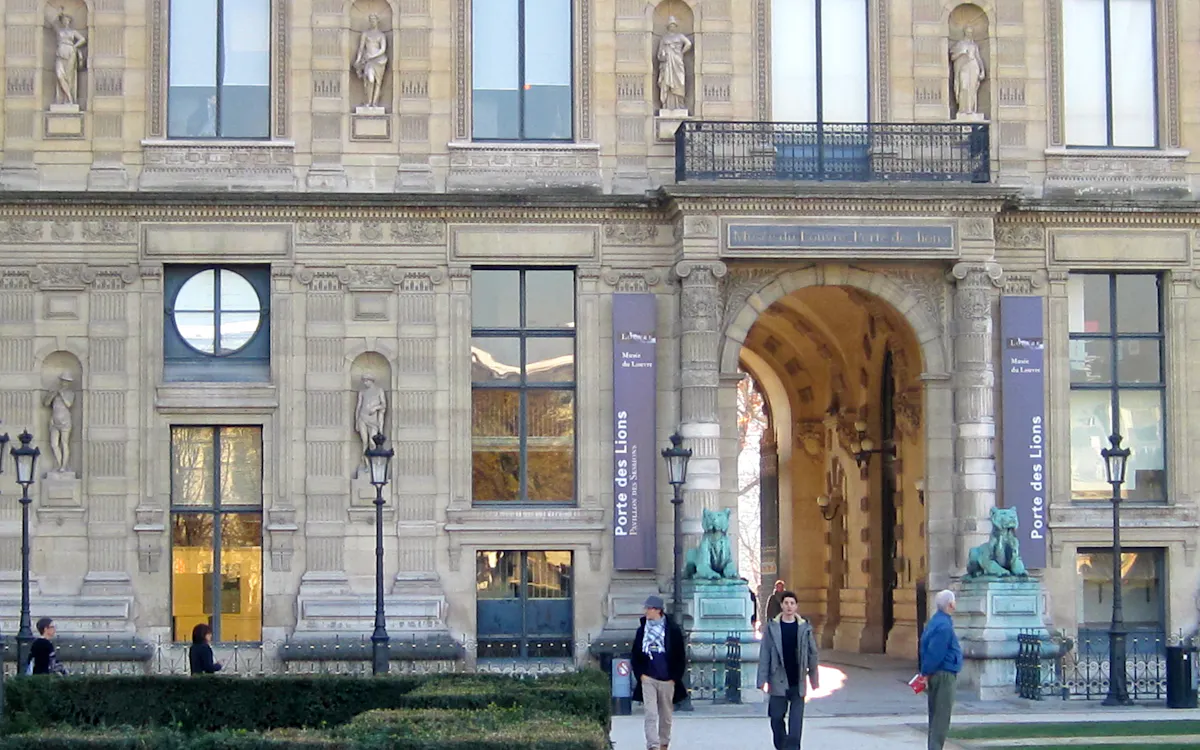
This entrance is open only for group visits to The Louvre Museum. To access the Porte des Lions, look for the two lions that mark the entrance to the museum. However, you are better off taking the other 3 entrances as the Porte des Lions entrance is not open for individuals.
3. Choose the Right Time for Your Visit
The best time to visit the Louvre Museum is on a weekday, as it is crowded on weekends. Parisians love visiting museums and they do so on weekends, mostly Sunday afternoons. If you’re visiting the museum during the weekdays, then Wednesday and Friday are perfect, as the museum stays open longer, and you can look around the museum in peace, as the crowds lessen considerably during the closing hours (9:45 PM).
During the summer, when the days are long and the weather is pleasant, the Louvre sees a large number of visitors. Approximately 7.4 million people visited the Musée du Louvre in 2016. To avoid the densest crowds, it is recommended you visit during fall and early winter.
Tickets


Planning Your Time at the Louvre
With a gallery space of 72,735 sq. m., the Louvre is the largest museum in the world. Given that 35,000 permanent exhibits are spread across eight departments, it is best to plan ahead, so you can see as much of the artwork as possible.
You can find the detailed floor plan here. Given the sheer size of the museum, it is not possible to see all of it in one day. However, if you decide in advance with galleries and exhibits you want to visit, your experience will be much more fulfilling.

Floor Plan
The museum is spread over 5 levels, with 2 underground levels. The museum exhibitions are present on levels -1, 0, 1, and 2. Level -2 is dedicated to the museum shops, bookstores and the Richelieu and the Carrousel du Louvre entrances.
Level -2
• Richelieu and the Carrousel du Louvre entrances
• Bookshop
• Museum shops
• Entrances to the three wings that make up the Louvre - Richelieu, Denon and Sully.
Level -1
• Richelieu Wing: French Sculptures
• Sully Wing: The Pavillon de l’Horloge
• Denon Wing: Greek Antiquities, European Sculptures, Islamic Art, Near Eastern and Egyptian Art and a Touch Gallery
Level 0
• Richelieu Wing: French Sculptures and Near Eastern Antiquities
• Sully Wing: Near Eastern Antiquities, Egyptian Antiquities and Greek Antiquities
• Denon Wing: Greek Antiquities, Italian and Etruscan Antiquities, Roman Antiquities, European Sculptures and Arts of Africa, Asia, Oceania and Americas
Level 1
• Richelieu Wing: European Decorative Arts
• Sully Wing: Egyptian Antiquities and Greek and Roman Antiquities
• Denon Wing: French, Italian, Spanish, British and American Paintings
Level 2
• Richelieu Wing: Northern European Paintings
• Sully Wing: French Paintings
Famous Exhibits at the Louvre Museum

Leonardo Da Vinci’s Mona Lisa
The most famous painting in the world, the Mona Lisa resides in the Louvre in the Department of Italian Paintings. The subject of the painting is thought to be Lisa Gherardini, the wife of a cloth merchant from Florence. Keeping this in mind, be warned that there is always a crowd to see the Mona Lisa, so keep your expectations low.

Venus de Milo
This 6’8” marble sculpture depicts Aphrodite, the Greek goddess of love and beauty. The statue is named after the Greek island of Milos, where it was discovered. The statue is most famous for the missing arms - under the right breast is a filled hole, which would originally have the metal tendon used to attach the arms. The statue can be found in the Department of Greek, Etruscan, and Roman Antiquities.
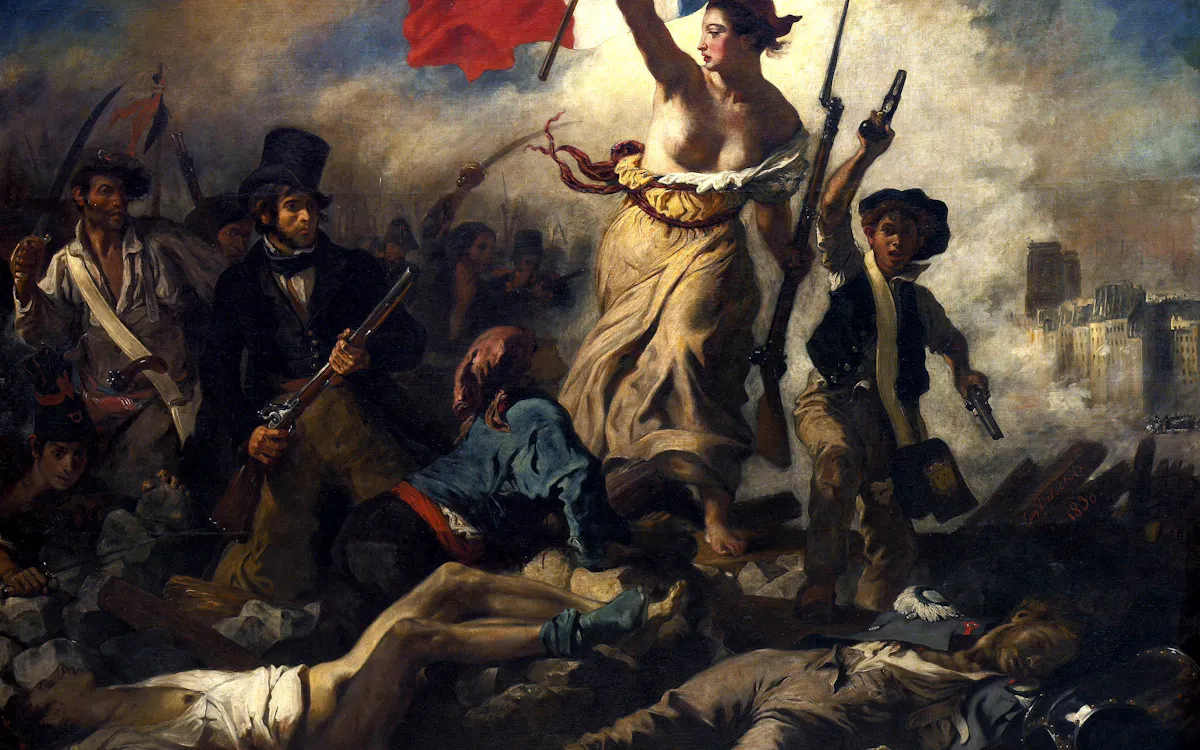
Eugène Delacroix’s Liberty Leading the People
Commemorating the July Revolution of 1830, the painting shows a woman personifying Liberty leading people over barricades and the bodies of the fallen. In her hand is the flag of the French revolution, which is now the national flag of France, and her other arm holds a bayoneted musket.

Winged Victory of Samothrace
This marble sculpture of Nike, the Greek goddess of victory, was made in 2nd c. BC. Nearly 8 feet high, the statue is thought to have been created not just to honor the goddess, but also to celebrate a naval victory, as the base is like the prow of a ship.

Law Code of Hammurabi
Dating back to 1800 BC, the Law Code of Hammurabi is a Babylonian code of law from the Mesopotamian period. Exhibited in the Department of Near Eastern Antiquities, the Law Code has aover 200 laws inscribed on it. The Law Code of Hammurabi is very important as it helps us learn about the history and religion of this period.
Visitor Trails
Given the size of the Louvre, it is impossible to see the entire museum in a day. If you are interested in a specific theme or time period, the Louvre also offers visitor trails that take you to artwork based on specific themes and time periods.
Some of the trails are:
- The Da Vinci Code, Between Fiction and Fact: This trail is based on the popular novel (and film), The Da Vinci Code. Visitors can tour and see the art based on symbologist Robert Langdon’s time in the museum. On this tour, you will see The Wedding Feast at Cana, the Mona Lisa, and Virgin and Child with Saint Anne.
- From Palace to Museum, 800 Years of History: This trail takes visitors through the Louvre’s eight-centuries long journey. Constructed as one of the main residences for the French monarchy, the Louvre became a museum in 1793, after the French Revolution. Some exhibits include The Salon Denon, The Galerie Campana, and The Napoleon III Apartments’ Large Drawing Room.
- The Art of Eating, Rituals and Symbolism: This visitor trail takes you around the Louvre to see the depiction of meals and food in paintings from Antiquity to the 18th century. Some popular art seen in the trail include The Feast of the Gods, The Peasant Meal, and The Hunt Luncheon.

Find the complete list of trails here.
Louvre Museum Practical Information
Timings
Monday, Thursday, Saturday, Sunday: 9 AM - 6 PM
Wednesday, Friday: 9 AM - 9:45 PM
The Louvre Museum is closed on Tuesdays and the following holidays: January 1, May 1, December 25.
Getting There
The Louvre Museum is situated in Paris’ 1st Arrondissement, on the right bank of the Seine. You have the following public transport options available to get to the museum:
Metro - The closest metro station to the museum, and the one where our ticket redemption center is located is the Palais-Royal–Musée du Louvre station on Line 1.
Bus - 21, 24, 27, 39, 48, 68, 69, 72, 81, 95
Entrances
There are three entrances individual ticket holders can use to enter the museum:
1. Pyramid Entrance: This is the main entrance to the Louvre. Look for the sign “avec billet” (with ticket), and get into the line. You will be allowed to enter after a brief security check.
2. Richelieu Passage entrance: This is the closest entrance to the Headout ticket redemption center.
3. Carrousel du Louvre entrance: This entrance is past the underground shopping center, near the Arc de Triomphe du Carrousel.
Tips on Visiting the Louvre Museum

- The following people get free admission to the Louvre: Those under the age of 18, 18-25 year old residents of the EU, Visitors with disabilities and the person accompanying them, and teachers of art & art history. Find more information on this here.
- You’ll never have the Louvre Museum all to yourself, but mornings and evenings will be the least crowded hours of the day - try going early in the morning or around 3 PM.
- Always buy tickets in advance. This way, you can skip the line to purchase tickets, making your wait to enter the museum a short one.
- Use the Passage Richelieu and Galerie du Carrousel entrances to enter the museum, as these are less crowded than the main Pyramid entrance.
- Be sure to carry water and wear comfortable shoes. The Louvre is massive, and that involves a lot of walking. You can also borrow walking sticks and foldable chairs from the Museum Centre for free.
Facts About the Louvre Museum

- The Louvre was originally built as a fortress to keep the Vikings out in 1190 AD. In the 16th century, it was converted into a palace..
- Following the French Revolution, the Louvre was made a museum in 1793.
- Napoleon expanded the collection of the museum by 5000, and even renamed it the Musée Napoleon. However, after the defeat at Waterloo, the pieces were returned to the original owners.
- In 1911, the Mona Lisa was stolen from the Louvre. The masterpiece was finally recovered two years later in December 1913.
- During World War II, the Louvre was used by the Nazis as a storeroom to keep stolen art.
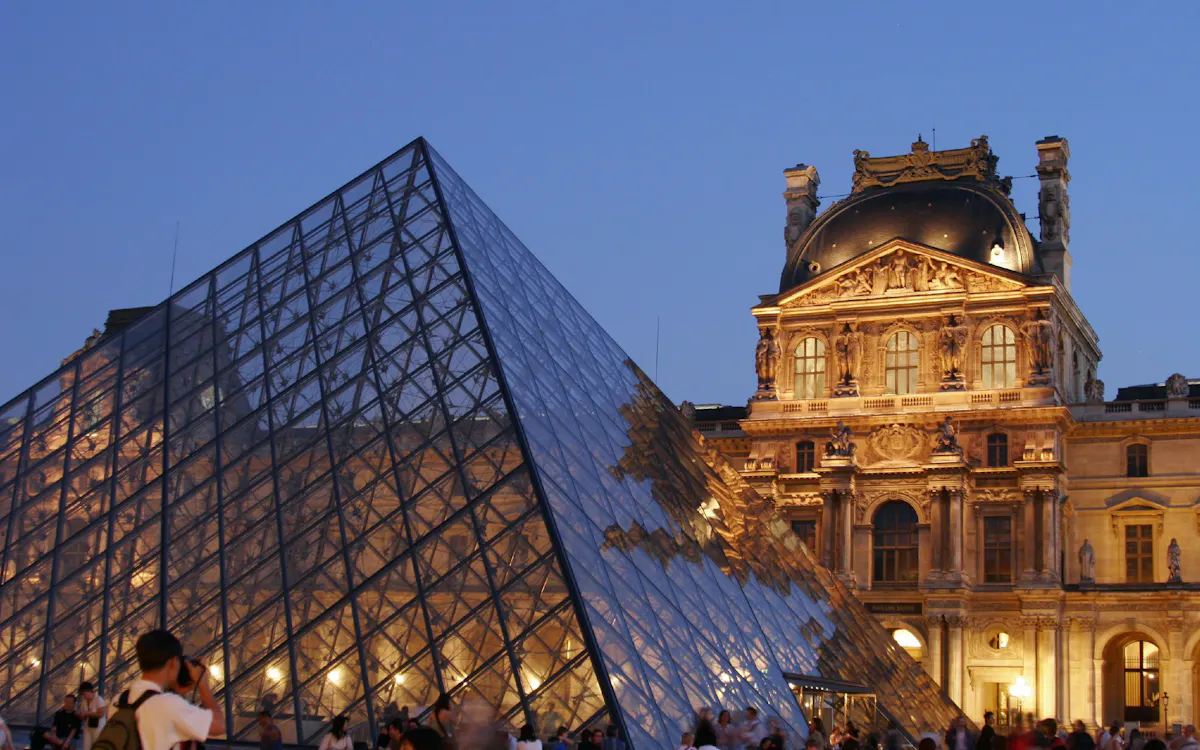
- The glass pyramid was built in the 1980s based on the design of Chinese architect I. M. Pei. He was the first non-French architect to work on the Louvre, which created controversy at the time. However, today, the Louvre pyramid is one of the most iconic landmarks in Paris.
The post The Ultimate Guide on How to Skip the Line at the Louvre Museum appeared first on Headout Blog.
Article source here:Headout Blog

No comments:
Post a Comment